Reflections on PyCon Singapore 2026: Balancing Data Science and Pokémon Hunting
Last week, I had the privilege of attending PyCon Singapore 2026. It was my second trip to Singapore, and I was incredibly excited for both professional and personal reasons! I was there to give a talk about something I’m super passionate about: why we don’t always need large language models (LLMs) to understand data. But let’s be honest, I was equally excited for the bubble tea, some long-overdue Pokémon shopping, and scouting out the geeky treasures the city has to offer.
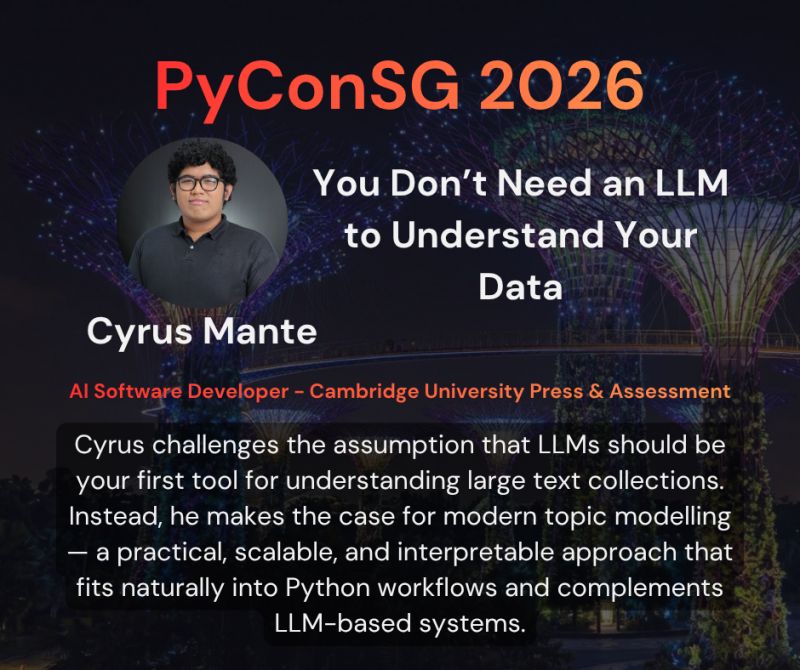
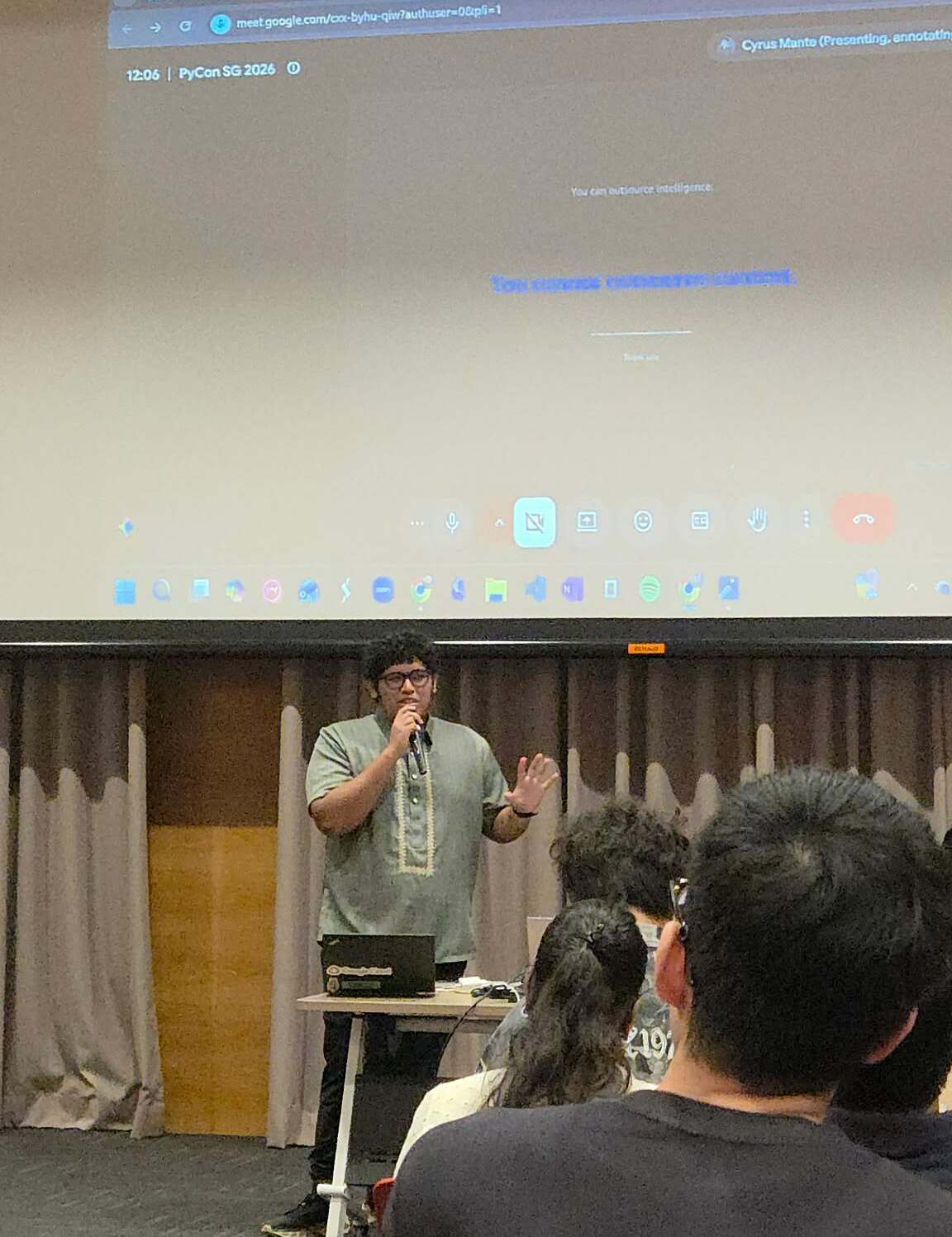
My Talk: Why Start with Foundations Before AI
The talk itself, "You Don't Need an LLM to Understand Your Data" was a deep dive into foundational techniques like TF-IDF (Term Frequency-Inverse Document Frequency), NMF (Non-negative Matrix Factorization), and even newer tools like BERTopic for topic modeling. My argument? We don’t always need heavyweights like LLMs or GPT-style models to derive insights from data. While these are incredible tools, I advocated for starting with simpler, classical techniques—especially for engineers. Why? Because having a strong foundation in understanding data is vital before jumping into building or using cutting-edge AI models.
It’s something I feel strongly about, especially because scientists often have a different mindset than engineers when it comes to approaching data. Scientists prioritize understanding the data deeply first, while engineers might be tempted to leap right into the newest, shiniest model. But trust me, bringing the scientist’s skeptical curiosity to the table makes engineers much better at solving AI problems efficiently.
The Challenges of (And with) Simpler Tools
Of course, it hasn’t been all smooth sailing. One of the questions that came up during my talk was about the difficulties in applying these techniques. While I don’t think they’re particularly difficult to use, there are aspects—like fine-tuning for optimal topic selection in topic modeling—that require effort and experience. It's a bit of a puzzle to figure out what the “right” number of topics is, for example.
But honestly, the bigger challenge isn’t the techniques themselves—it’s how these tools have fallen out of favor. These foundational methods are so powerful, yet they’re underutilized now that we have flashy models like GPT hogging the spotlight. In a world obsessed with AI engineering, I find myself increasingly appreciative of the role that data scientists play. They’re like the unsung heroes making sure the data is clean, organized, and extractable, so engineers can unlock its potential.
No, I haven’t fully mastered these topics yet. But the thoughtful questions from curious attendees reminded me of why I love this work: there’s always something more to learn and ways to improve. I’m already looking forward to polishing my talk even further for the next one.
Adventures in Singapore: Pokémon, Oatside, and Tamagotchis
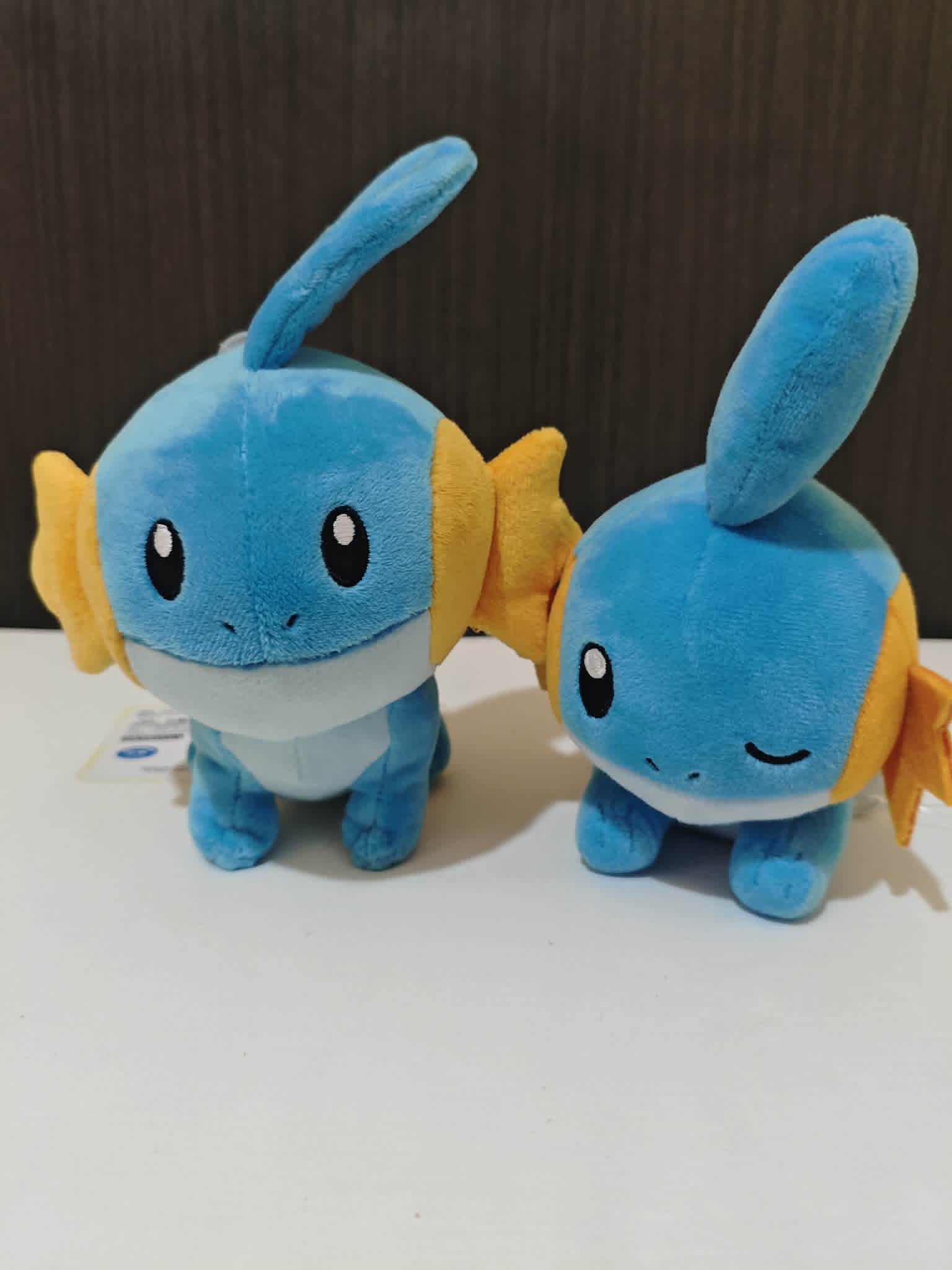
Of course, the trip wasn’t all technical talks and data science geekery. This was my second time in Singapore, and the city didn’t disappoint (well, mostly). I was looking forward to visiting the Pokémon Center again, but sadly, it was closed during my trip. That didn’t stop me from hunting down my favorite Pokémon, Mudkip, though! I eventually found some adorable merch at Otaku House and Don Don Donki.
I also picked up some fun goodies to remember this trip. For one, I finally got my hands on Oatside, my girlfriend’s favorite drink, and snagged a few flavors. Oh, and let’s not forget the Tamagotchi—I managed to find one, which is near impossible to locate in the Philippines! It was like winning a mini scavenger hunt.
Singapore’s vibrant mix of tech events and geek culture keeps me coming back, and I know I’ll return. Hopefully, the Pokémon Center will be open next time, but even if it’s not, I’ve heard about an upcoming Pokémon Fun Run for their 30th anniversary, and maybe I’ll plan around F1 season too. Until then, I’ll keep honing my skills, evolving my talks, and maybe training my Mudkip!
Did you attend PyCon Singapore? If so, I’d love to hear your thoughts! Or if you’re a fan of applying foundations like TF-IDF and BERTopic, tell me about the cool things you’ve built with these tools.